+86 13332949210
 info@xihobattery.com







 Xiho
Xiho Jan 06 2026
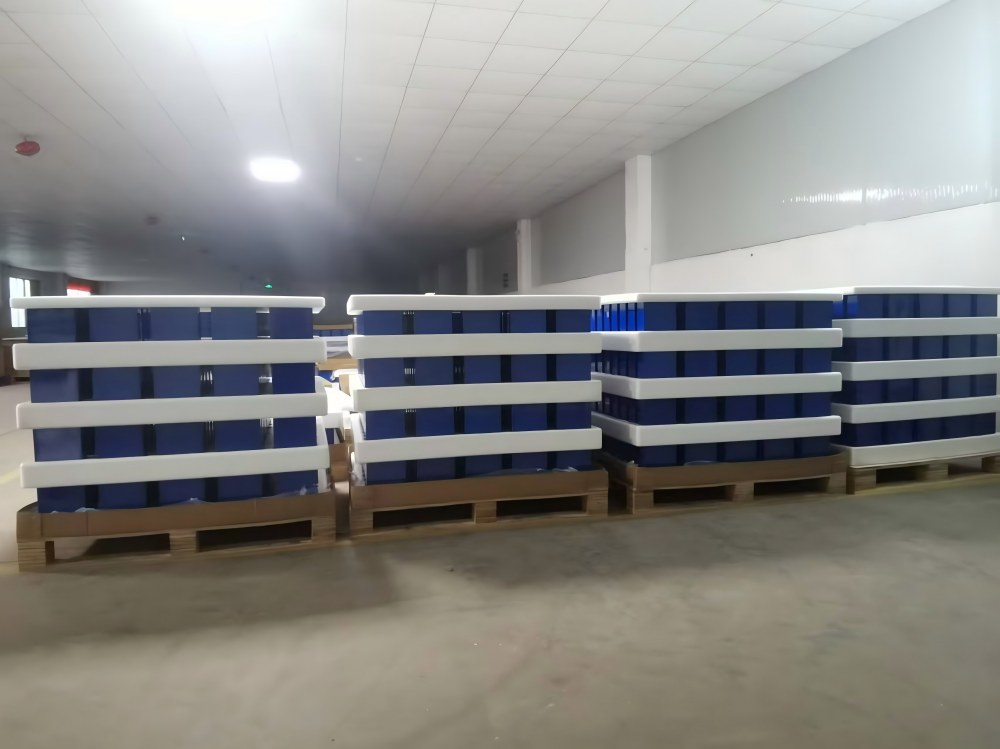
In the rapidly evolving landscape of energy storage, Lithium Iron Phosphate (LiFePO4 or LFP) batteries have emerged as a leading technology, renowned for their safety, longevity, and stability. Among various cell configurations, the 3.2V 280Ah LiFePO4 prismatic cell has become a cornerstone for medium- to large-scale applications, offering an ideal balance of capacity, power, and reliability.
Technical Specifications at a Glance
•Nominal Voltage: 3.2V
•Rated Capacity: 280Ah (at 0.5C discharge rate)
•Energy Content: Approximately 896 Wh (3.2V × 280Ah)
•Chemistry: LiFePO4 (Lithium Iron Phosphate)
•Cycle Life: 6,000 - 10,000 cycles (to 80% of original capacity)
•Operating Voltage Range: 2.5V ~ 3.65V
•Standard Charge/Discharge Current: 0.5C (140A)
•Peak Discharge Current: 1C (280A) or higher, depending on model
•Weight: Approximately 5.2 - 5.5 kg
•Dimensions: Typical ~ 207mm (H) × 174mm (W) × 72mm (T)
•Rated Capacity: 280Ah (at 0.5C discharge rate)
•Energy Content: Approximately 896 Wh (3.2V × 280Ah)
•Chemistry: LiFePO4 (Lithium Iron Phosphate)
•Cycle Life: 6,000 - 10,000 cycles (to 80% of original capacity)
•Operating Voltage Range: 2.5V ~ 3.65V
•Standard Charge/Discharge Current: 0.5C (140A)
•Peak Discharge Current: 1C (280A) or higher, depending on model
•Weight: Approximately 5.2 - 5.5 kg
•Dimensions: Typical ~ 207mm (H) × 174mm (W) × 72mm (T)
Key Advantages and Characteristics
1. Exceptional Safety Profile
Safety is the foremost advantage of LiFePO4 chemistry. The strong phosphorus-oxygen bonds in the phosphate cathode make it highly resistant to thermal runaway, even under harsh conditions such as overcharging, short-circuiting, or physical damage. This intrinsic stability drastically reduces the risk of fire or explosion, a critical factor for residential and commercial energy storage.
2. Long Cycle Life and Durability
The 3.2V 280Ah cell is engineered for endurance. It typically delivers between 6,000 to 10,000 full charge-discharge cycles while retaining 80% of its original capacity. This translates to a service life of 10 years or more, even with daily use, offering a superior total cost of ownership compared to lead-acid or other lithium-ion variants.
3. High Energy Density and Efficiency
With a compact form factor and a weight of around 5.5 kg, this cell provides high energy density. It boasts excellent charge/discharge efficiency, often exceeding 98%, meaning minimal energy is lost as heat during operation. This high efficiency is crucial for maximizing the performance of solar energy systems and electric vehicles.
4. Stable Discharge Voltage
The discharge curve of a LiFePO4 battery is remarkably flat. It maintains a voltage close to 3.2V for most of the discharge cycle, ensuring consistent power delivery to connected devices until the battery is nearly depleted. This is a distinct advantage over technologies with sloping voltage curves, which can lead to performance degradation.
5. Environmental Friendliness
LiFePO4 chemistry is non-toxic and contains no heavy metals like cobalt, making it a more environmentally responsible choice. Its long life also contributes to sustainability by reducing the frequency of battery replacement.
Primary Applications
The high capacity and robust nature of the 3.2V 280Ah cell make it an ideal building block for systems requiring substantial energy storage:
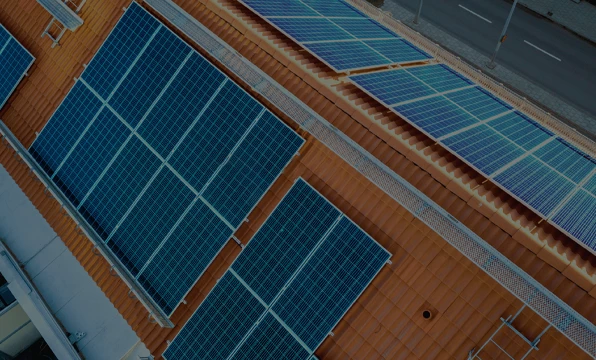
•Solar Energy Storage Systems: For storing solar power in residential, commercial, and industrial settings.
•Electric Vehicles (EVs): Particularly in golf carts, low-speed electric vehicles (LSEVs), and electric buses.
•Marine and RV Power: Providing reliable, deep-cycle power for house batteries.
•Uninterruptible Power Supplies (UPS): Ensuring backup power for critical infrastructure.
•Telecom Base Stations: Offering durable and maintenance-free power in remote locations.
•Solar Energy Storage Systems: For storing solar power in residential, commercial, and industrial settings.
•Electric Vehicles (EVs): Particularly in golf carts, low-speed electric vehicles (LSEVs), and electric buses.
•Marine and RV Power: Providing reliable, deep-cycle power for house batteries.
•Uninterruptible Power Supplies (UPS): Ensuring backup power for critical infrastructure.
•Telecom Base Stations: Offering durable and maintenance-free power in remote locations.
System Integration: Building Battery Packs
A single 3.2V cell is the fundamental unit. To create higher voltage systems, these cells are connected in series and parallel:
•12V System: 4 cells in series (4S).
•24V System: 8 cells in series (8S).
•48V System: 16 cells in series (16S).
•12V System: 4 cells in series (4S).
•24V System: 8 cells in series (8S).
•48V System: 16 cells in series (16S).
Differentiation from Competing Technologies
•While numerous lithium-ion battery manufacturers offer alternative solutions, the 314Ah battery distinguishes itself through several key advantages:
•Superior thermal management capabilities, maintaining cell temperature variations within 3°C in liquid-cooled packs
•Reduced auxiliary energy consumption through advanced liquid cooling technology
•Standardized communications interfaces that simplify integration and monitoring
•AI-enhanced battery health monitoring for early problem detection and prevention
•Innovation Driving Performance: The Question Top Technology
To increase the total capacity (Ah) and runtime, cells or series strings are connected in parallel. For example, a 48V 560Ah battery pack is created by connecting two sets of 16S 280Ah strings in parallel.
•Superior thermal management capabilities, maintaining cell temperature variations within 3°C in liquid-cooled packs
•Reduced auxiliary energy consumption through advanced liquid cooling technology
•Standardized communications interfaces that simplify integration and monitoring
•AI-enhanced battery health monitoring for early problem detection and prevention
•Innovation Driving Performance: The Question Top Technology
To increase the total capacity (Ah) and runtime, cells or series strings are connected in parallel. For example, a 48V 560Ah battery pack is created by connecting two sets of 16S 280Ah strings in parallel.
Essential Management: The Role of the BMS
To ensure safety, performance, and longevity, a Battery Management System (BMS) is essential. A quality BMS protects the 3.2V 280Ah cells by providing:
•Over-Charge and Over-Discharge Protection
•Over-Current and Short-Circuit Protection
•Cell Balancing to maintain uniform voltage across all cells in a pack
•Temperature Monitoring
•Over-Charge and Over-Discharge Protection
•Over-Current and Short-Circuit Protection
•Cell Balancing to maintain uniform voltage across all cells in a pack
•Temperature Monitoring
Essential Management: The Role of the BMS
The 314Ah LiFePO4 battery demonstrates particular strength across diverse geographical applications:
In North American markets, these batteries support both commercial energy storage and emerging microgrid projects. European implementations increasingly focus on integrating renewable sources like wind and solar into traditional grids. Australian deployments often address remote power solutions and grid stabilization challenges.
This global applicability underscores the battery's versatility across different climatic conditions and regulatory frameworks.
In North American markets, these batteries support both commercial energy storage and emerging microgrid projects. European implementations increasingly focus on integrating renewable sources like wind and solar into traditional grids. Australian deployments often address remote power solutions and grid stabilization challenges.
This global applicability underscores the battery's versatility across different climatic conditions and regulatory frameworks.
Conclusion
The 3.2V 280Ah LiFePO4 cell represents a mature and highly capable energy storage solution. Its unparalleled combination of safety, long life, and high performance makes it the preferred choice for a wide array of demanding applications. As the world continues its transition towards renewable energy and electrification, this cell stands as a reliable and powerful enabler of a sustainable future.
Inquiry more product details from the : Lithium Ion Battery Manufacturers
WhatsApp/Wechat/Mobile: +86 13332949210
Email: info@xihobattery.com
Website: www.xihopower.com
WhatsApp/Wechat/Mobile: +86 13332949210
Email: info@xihobattery.com
Website: www.xihopower.com